Event photography is changing. For years, the main options were professional photographers, disposable cameras, social media hashtags, shared folders, and group texts. Each option can help, but none of them fully solves the modern event memory problem: everyone is capturing content, but the memories are scattered everywhere.
The future of event photo sharing is simpler, more collaborative, and more organized. It gives every guest a way to contribute while giving the host one central place to collect photos and videos. That is the idea behind Nalu Moments.
Events are now multi-perspective experiences
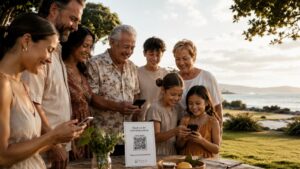
A wedding, conference, fundraiser, reunion, or corporate retreat is not experienced from one viewpoint. Every attendee sees something different. Guests at the back of the ceremony see reactions the photographer may miss. Conference attendees capture breakout sessions and networking moments. Volunteers see behind-the-scenes impact at fundraisers. Family members capture personal moments at reunions.
The future of event memories recognizes that the best archive comes from many perspectives, not just one camera.
Professional photography remains important
This shift does not make professional photographers less valuable. In many cases, it makes their role clearer. Professionals create polished, intentional, high-quality coverage. They understand lighting, timing, editing, and storytelling. Their work is essential for major events.
But guest-generated content adds a different layer. It captures spontaneous, personal, and informal moments. The future is not professional photography versus guest photos. It is professional photography plus guest photos, organized in a way that makes sense.
QR codes reduce friction
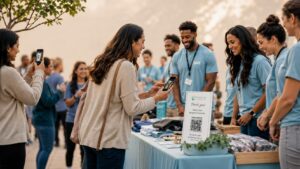
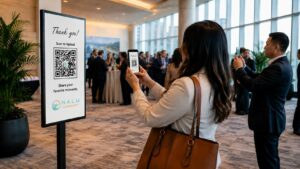
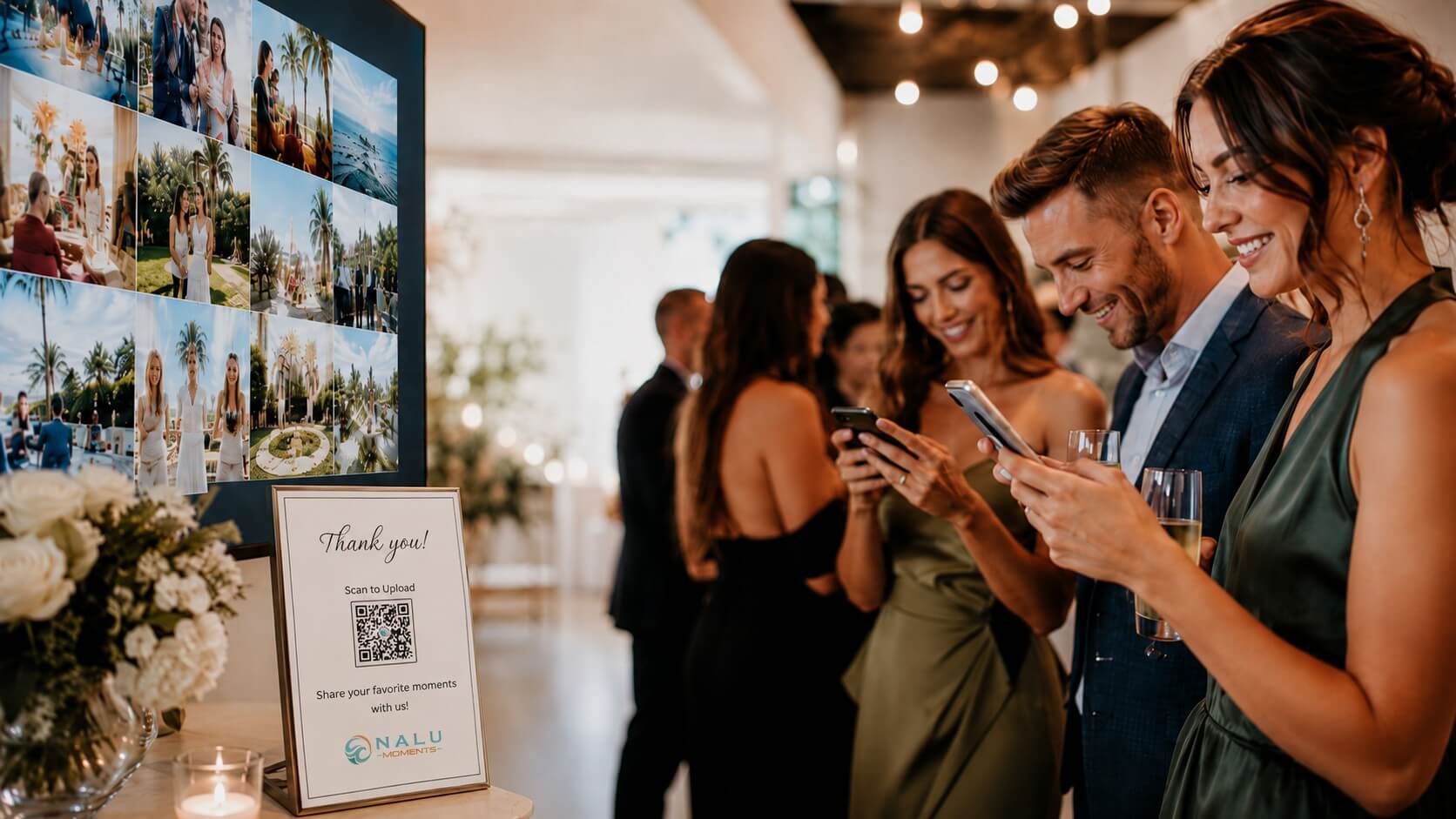
The most successful technology disappears into the experience. QR codes work because they are simple. A guest does not need to download an app, search for a link, remember a hashtag, or ask where to send photos. They scan and upload.
This matters because event participation depends on convenience. If sharing takes too many steps, people will wait until later and often forget. If sharing is easy in the moment, more memories are collected.
Video will become even more important
Event memories are increasingly video-based. Short clips capture sound, movement, emotion, and atmosphere. A ten-second video of a dance floor, keynote reaction, toast, family story, or charity walk finish line can bring an event back to life in a way a single photo cannot.
The next generation of event photo sharing must support both photos and videos. Nalu Moments is built around that expectation. Guests should be able to upload the content they naturally capture, not just still images.
Hosts need central control
As more content is created, organization becomes more important. Without a central collection point, hosts are left searching across texts, emails, social platforms, shared folders, and personal devices. That creates unnecessary work and lost memories.
A dedicated event page gives the host a central destination. It also allows the host to review, curate, and reuse content more effectively. This is especially important for businesses, nonprofits, and event organizers who may use selected images for marketing, reports, recaps, or future promotions.
Recurring events need historical archives
Annual events create a unique challenge. Each year brings new photos, new attendees, new sponsors, and new memories. If content is scattered every year, the history of the event becomes difficult to preserve.
The future of event photo sharing will favor systems that can support recurring events and long-term organization. A fundraiser, conference, award ceremony, or reunion should be able to build a visual history over time. That history becomes part of the event’s identity.
Private sharing will matter more
Not every event memory belongs on social media. Weddings may be private. Corporate events may need internal review. Nonprofits may need to protect participant dignity. Families may want to share only among relatives. Guests may be comfortable uploading to the host but not posting publicly.
A direct upload gallery supports this shift. It gives people a way to share without forcing the content into public feeds.
Event content will support marketing and storytelling
For organizations, event photos and videos are not just keepsakes. They are content assets. They can support newsletters, social media, sponsor reports, recruiting, donor engagement, internal culture, and future event promotion.
The organizations that collect event content well will have a major advantage. They will be able to tell richer stories with less effort because the content is already organized.
Guest participation will become expected
As guests become more comfortable scanning QR codes and contributing content, shared event galleries will feel normal. Just as wedding websites and digital RSVPs became common, QR code photo sharing is becoming a practical event planning tool.
The key is to make the experience feel helpful, not intrusive. Guests should understand that their photos and videos matter. They are helping preserve the event from the inside.
What hosts should do now
Event hosts can prepare for this future by building photo sharing into their planning checklist. Before the event, create the gallery, generate the QR code, design signs, and decide how to remind guests. During the event, make the code visible. After the event, send the link again and use the collected content for recaps, thank-you messages, and archives.
This simple workflow can dramatically improve how event memories are collected.
Why Nalu Moments is part of the future
Nalu Moments is designed around the way people already behave at events. They take photos. They record videos. They want to share meaningful moments. The platform gives them an easy way to do that while giving hosts one organized place to collect everything.
The future of event photo sharing is not about replacing photographers or forcing guests onto another app. It is about making memory collection easier, more complete, and more useful. With a QR code, a custom event page, and a shared gallery, event hosts can preserve the moments that would otherwise be lost.
FAQ
What is event photo sharing?
Event photo sharing is the process of collecting photos and videos from attendees in one central place, often through a QR code or shared event page.
Why are QR codes useful for events?
QR codes give guests a fast way to access the event gallery without typing a link, downloading an app, or remembering a hashtag.
Will guest photos replace professional photographers?
No. Guest photos add candid perspectives, while professional photographers provide polished official coverage.
What events benefit from shared photo galleries?
Weddings, conferences, corporate events, reunions, fundraisers, school events, award ceremonies, and annual celebrations can all benefit.
The future of event memories is collaborative. Create a Nalu Moments event page and make it easy for every attendee to help tell the story.
Practical setup checklist
For best results, treat photo sharing as part of the event plan instead of an afterthought. Create the event page early, test the QR code on multiple phones, print the sign clearly, and ask one or two people to remind guests during the event. The simpler the instructions are, the more likely guests are to participate. After the event, send the same link again in a thank-you message so anyone who forgot to upload still has an easy way to contribute. This small follow-up can dramatically increase the number of photos and videos collected.
A strong setup includes three touchpoints: a visible printed sign, a brief verbal reminder, and a follow-up link after the event. That combination works because it reaches guests in different moments. Some people will scan during the event, some will upload later that night, and others will need the reminder the next morning. The goal is not to pressure anyone. The goal is to make sharing so easy that people are happy to contribute.
The final step is to review and organize the uploads while the event is still fresh. Save favorite moments, identify photos that can be used in recaps or thank-you messages, and note which signs or reminders worked best. That review helps improve the next event and turns a simple gallery into a long-term memory resource.